

Industry
Why Does Everything Suddenly Smell Like a Tomato Plant?
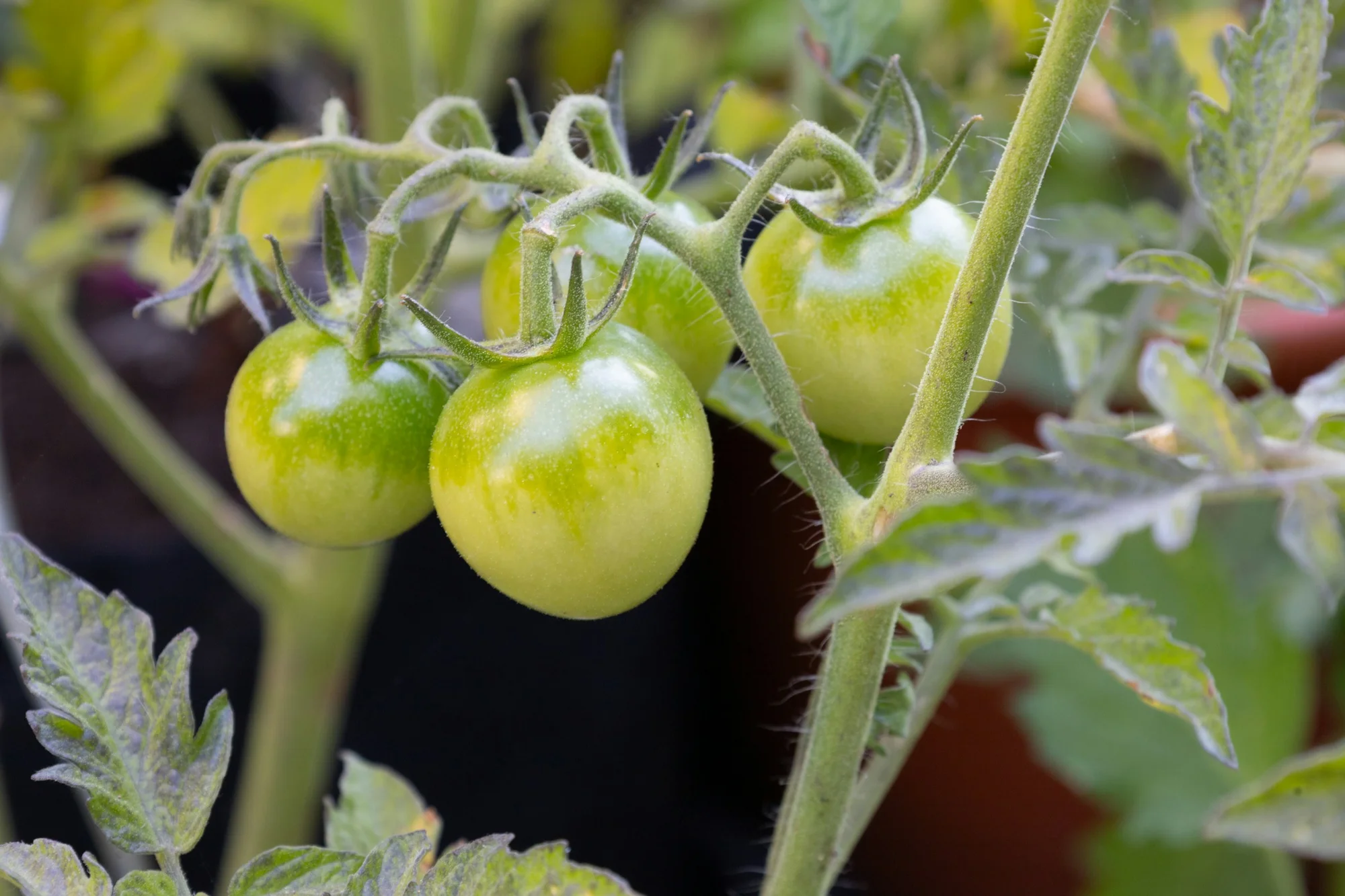
Tomato leaf was never an obvious candidate for luxury fragrance. It’s sharp, vegetal and unmistakably reminiscent of sticking your hands into an overgrown tomato plant in the middle of summer. If you expect a fragrance ingredient to smell floral, sweet or conventionally “perfumey,” it can seem like an odd thing to want in a candle, let alone on your skin.
It is also suddenly everywhere.
Over the last few years, perfumers have been moving steadily deeper into the vegetable garden. Tomato leaf is the most recognizable example, but it now sits alongside fragrances built around basil, cucumber, rhubarb, carrot and beetroot — ingredients that read increasingly like a grocery list. Glossy has tracked tomato’s move from novelty toward staple, and this summer Marie Claire declared that fragrance’s latest obsession “takes root surprisingly close to home: the back garden.”
We happen to be very much in favor.
What tomato leaf actually smells like
First, an important distinction: a tomato-leaf fragrance usually doesn’t smell like a ripe tomato, and it definitely doesn’t smell like tomato sauce.
The smell comes from the plant itself — the leaves and stems, especially when they’re brushed or crushed. It’s intensely green, slightly bitter and earthy, with a fuzzy, aromatic quality that’s hard to mistake once you know it. Much of that character comes from a single molecule, 2-isobutylthiazole, which flavorists and perfumers know simply as tomato leaf thiazole: green, vegetal, faintly musty. If you’ve ever picked tomatoes and noticed the smell left on your fingers afterwards, that’s the territory perfumers are working in.
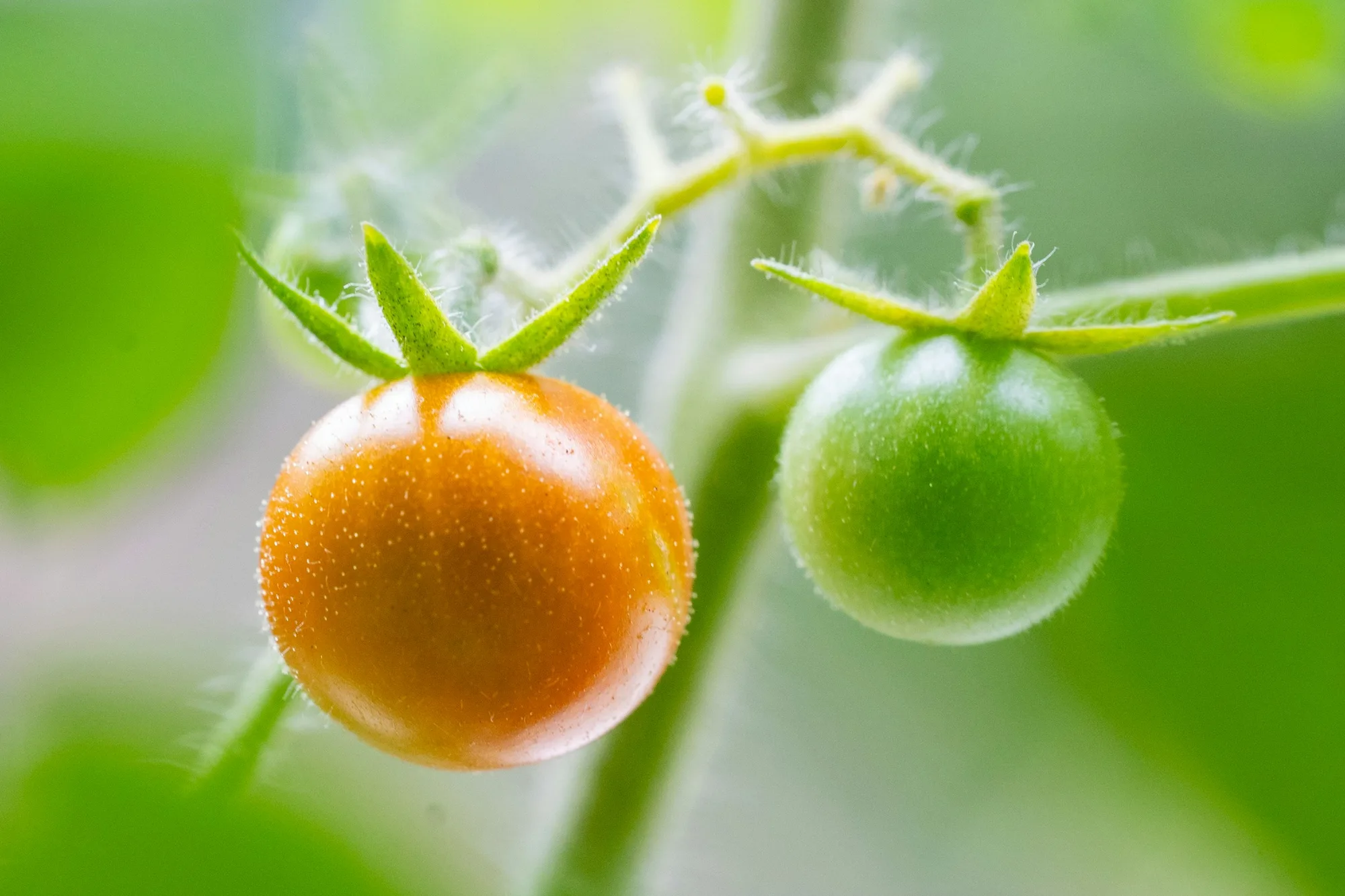
What makes it compelling is how specific it feels. “Fresh” can mean almost anything in fragrance, but tomato leaf immediately suggests a place: warm soil, green stems and a garden at the height of summer. It has the same quality that makes freshly torn basil or rosemary so evocative. These materials smell alive rather than abstract.
That sense of place is one reason vegetal fragrances have become more interesting as people move beyond the familiar vocabulary of florals, woods, vanilla and citrus. There’s nothing wrong with those categories — they remain the backbone of perfumery — but once your nose gets used to fragrance, less obviously pretty materials start to become much more compelling.
An old idea, suddenly everywhere
Tomato leaf isn’t actually new. In 1974, Jean-Claude Ellena set it alongside galbanum and basil in Sisley’s Eau de Campagne, a scent that smelled more like a vegetable patch than a flower shop. Demeter made tomato the headline note of a cologne in the 1990s, and Loewe’s Tomato Leaves candle turned it into a design-world fixture around 2020. Since then it has shown up in Maison Margiela’s REPLICA From the Garden and in a wave of tomato candles that Wallpaper* called “the definitive home fragrance of the summer.”
Tomato leaf is perhaps the clearest example of this shift because it’s simultaneously strange and instantly familiar. It may be unusual in perfume, but most people already know the smell from somewhere else. The same is true of basil, oregano and other culinary herbs: fragrance takes something your brain associates with a garden or a kitchen and puts it in a completely different context.
Our corner of the garden
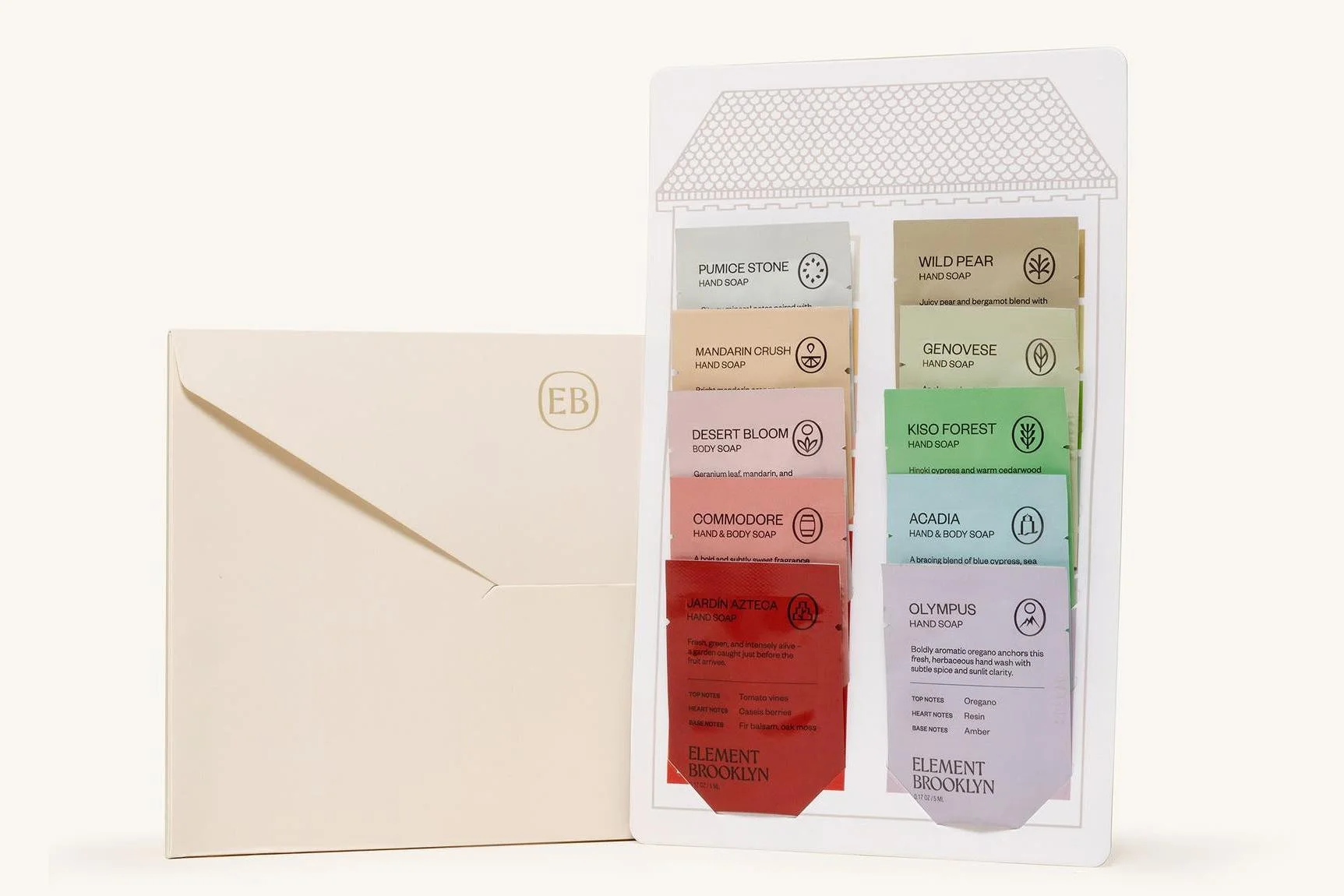
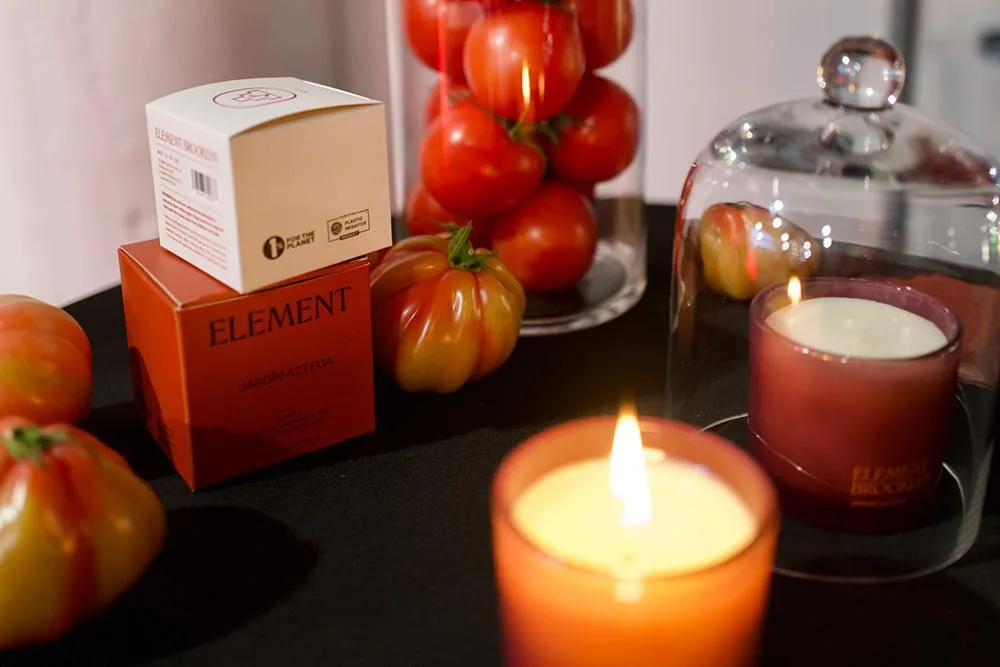
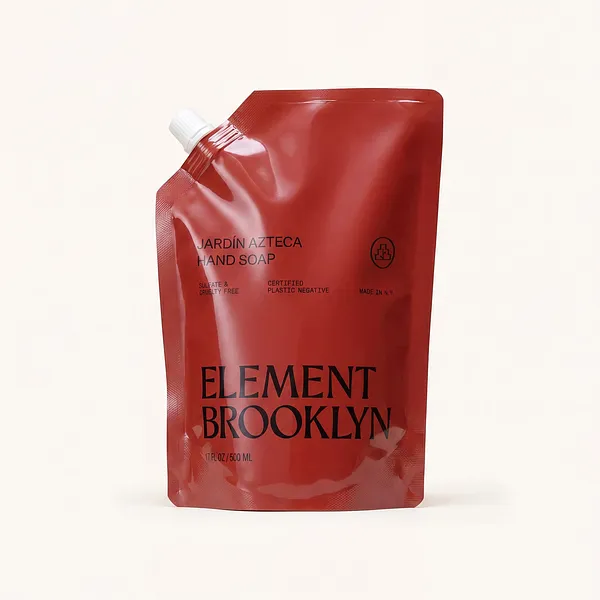
We’ve been exploring this part of the fragrance world for a while. Jardín Azteca is built around the smell of tomato vine, supported by cassis, fir balsam and oak moss. Those darker notes keep it from becoming a novelty scent and give the bright green opening somewhere to go as the fragrance develops. We reformulated it last year to push the vine even further forward.
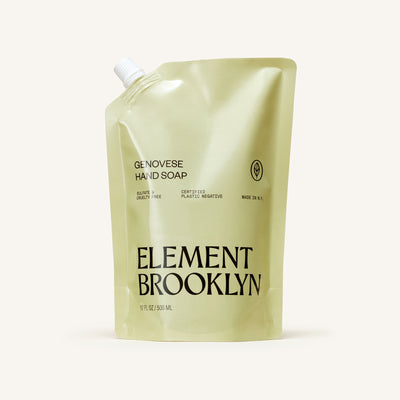
Genovese takes a different route, pairing basil with verbena and lime for something aromatic and bright, while Olympus sets oregano against warmer resin and amber. None of them is meant to smell like food. The herbs are there for what they bring to fragrance — greenness, bitterness, freshness and texture — rather than because anyone has a particular ambition to smell like lunch.
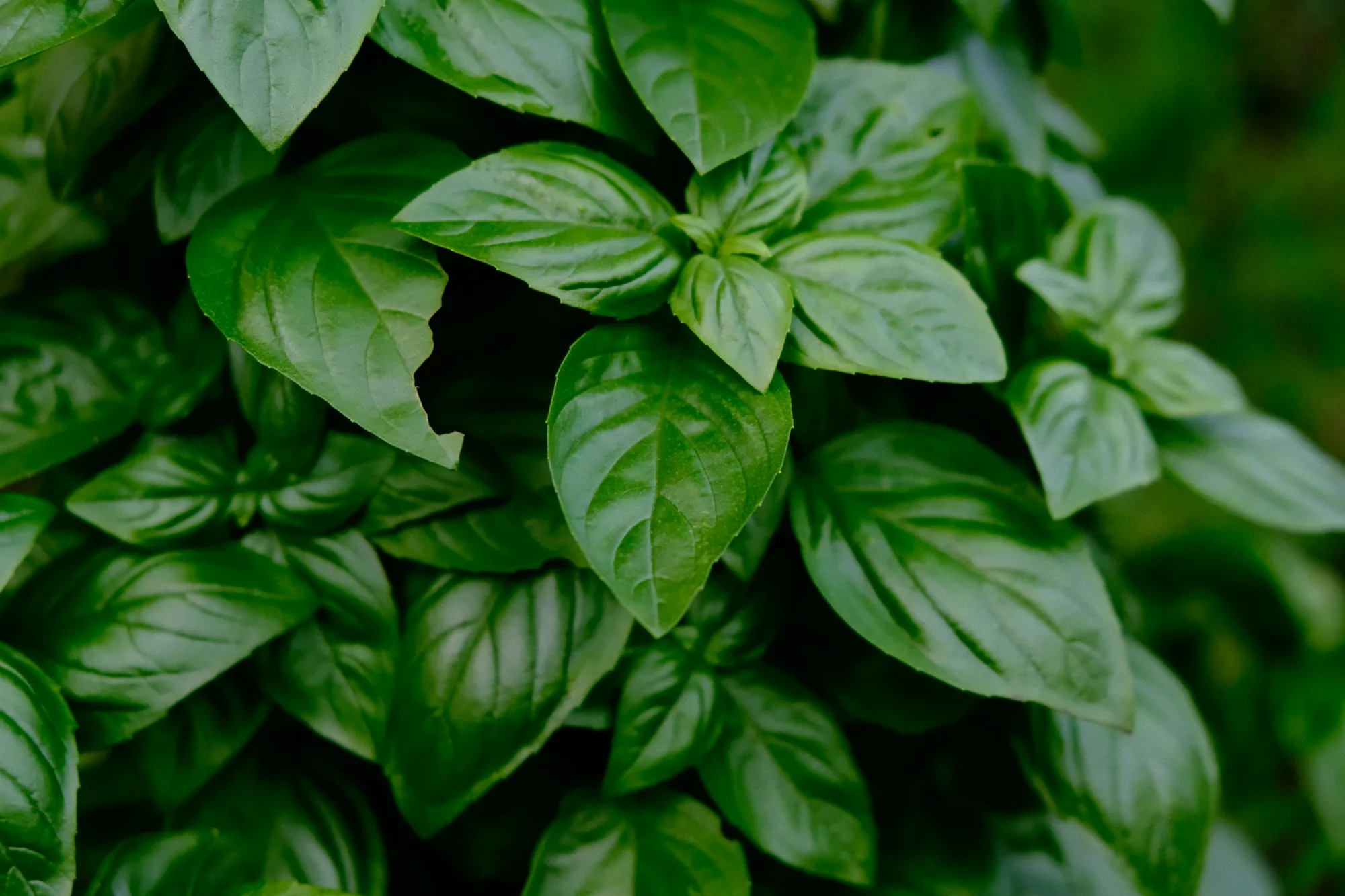
That distinction becomes obvious when you smell the finished compositions. Tomato leaf next to moss and fir is completely different from tomato leaf beside citrus. Basil can smell almost sparkling in one setting and much darker in another. Like flowers or woods, “green” ingredients are a category rather than a single effect.
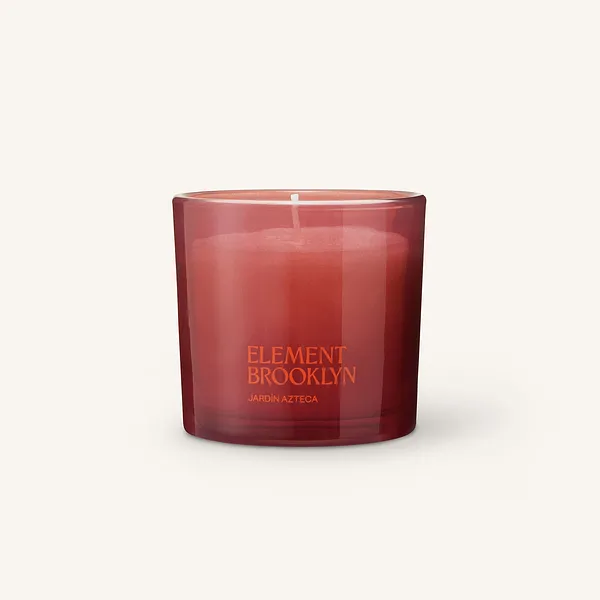 Jardín Azteca Candle
Fresh & Grounded
Tomato vines · Cassis berries · Fir balsam, oak moss
$32.00Shop now
Jardín Azteca Candle
Fresh & Grounded
Tomato vines · Cassis berries · Fir balsam, oak moss
$32.00Shop now
 Scent Society
Jardín Azteca Hand Soap
Fresh & Grounded
Tomato vines · Cassis berries · Fir balsam, oak moss
$22.00Shop now
Scent Society
Jardín Azteca Hand Soap
Fresh & Grounded
Tomato vines · Cassis berries · Fir balsam, oak moss
$22.00Shop now
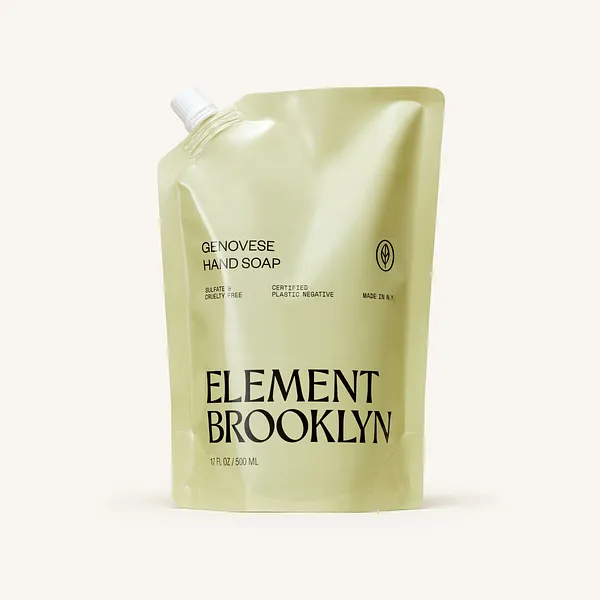 Genovese Hand Soap
Herbal & Zesty
Basil · Verbena · Lime
$22.00Shop now
Genovese Hand Soap
Herbal & Zesty
Basil · Verbena · Lime
$22.00Shop now
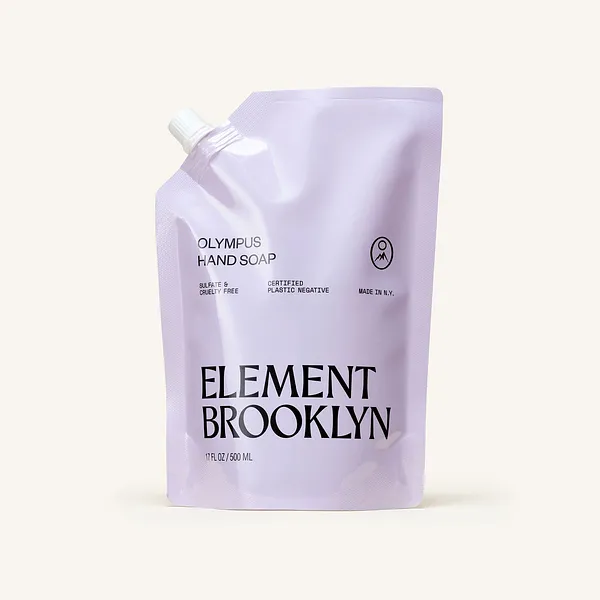 Olympus Hand Soap
Herbal & Invigorating
Oregano · Resin · Amber
$22.00Shop now
Olympus Hand Soap
Herbal & Invigorating
Oregano · Resin · Amber
$22.00Shop now
Why green scents feel right now
Fragrance trends move in cycles. In recent years, very sweet gourmands — vanilla, caramel, marshmallow, coffee and other edible notes — have become a huge part of mainstream perfume. Their appeal is obvious: they’re comfortable, recognizable and designed to be immediately pleasurable.
Vegetal fragrances offer almost the opposite sensation. They can be dry, bitter, damp, leafy or slightly strange. Instead of smelling like dessert, they might remind you of a greenhouse after watering, or the herb garden when the sun hits it.
That doesn’t mean one trend has to replace the other. The more interesting development is that people seem increasingly comfortable with fragrance that doesn’t fit an old definition of what perfume is supposed to smell like. Once tomato leaves are fair game, so are rain on dry earth, soil, tea leaves, rice, hay, mushrooms and any number of smells that would once have sounded too literal or mundane for a fragrance brief.
We think that makes perfumery more interesting.
Decide after you smell it
It also reflects something we see every day at the Gallery of Scent, where visitors score thirty raw perfumery materials from one to four. Green notes are some of the most divisive in the room. Of the nearly 4,800 visitors who have smelled it so far, 45% gave basil the lowest possible score. Galbanum, the sharp green resin Ellena paired with tomato leaf, fares even worse: 56% gave it the lowest score and just 6% the highest.
And yet Genovese, a basil soap, is one of our bestsellers. On its own, a green note can be abrupt. Inside a composition, balanced with citrus or softened by woods, it’s what makes the whole thing feel alive.
The useful lesson probably isn’t that everybody should start smelling like vegetables. It’s that fragrance gets much more interesting when you stop deciding what you like before you smell it.
Tomato plant included.
Header photo: Tobias Doering / Unsplash.